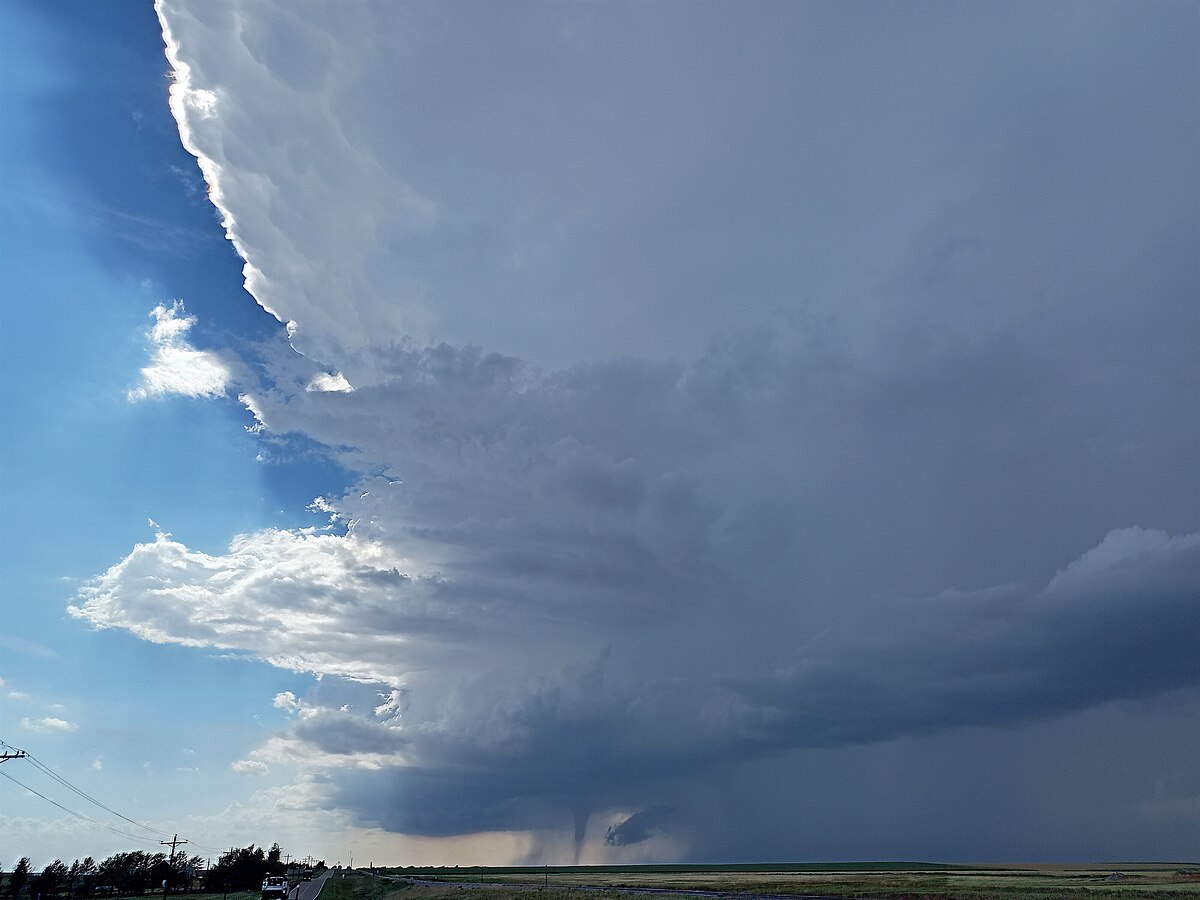
Tornado drill at NWS Peachtree City
DeKalb ARES members participated in the annual statewide tornado drill run by NWS Peachtree City (WFO FFC) as part of Severe Weather Awareness Week — checking in across the linked-repeater Skywarn net, NWSChat, and the GA ARES Winlink and HF P2P nets, with 44 of the 96 counties in PTC's coverage area represented and 172 total check-ins across all paths.
What the drill is
The annual Georgia tornado drill is run by NWS Peachtree City (WFO FFC) every February in conjunction with Severe Weather Awareness Week. It’s coordinated by Robert Burton (KD4YDC), DEC for the NWS Peachtree City office, and exercises the radio + chat infrastructure used to feed real-time spotter reports to the forecast office during an actual tornadic event.
NWS Peachtree City’s coverage area spans 96 counties — a sizable chunk of Georgia — and the drill is built to demonstrate that the Skywarn community can move structured weather observations from across that footprint into the forecast desk at scale.
How it ran
- All Georgia Skywarn linked repeaters were tied together by 8:00 AM to provide a single statewide voice net
- Check-ins began at 9:00 AM with a tightly-run net — high volume, frequent doubles, known and accepted as the cost of getting many counties on the air quickly
- NWSChat carried coordinator-level traffic in parallel for those liaising at the Skywarn / ARES level
- The GA ARES Winlink P2P net ran for digital check-ins, opened by Kory Oldham (W4RZ) the night before
- HF P2P on 40 m (7083.5 MHz center, 7082.0 dial) added by Bill Barrett (WW4BB) early that morning as an additional digital path
DKARES participation
Planning kicked off in late January when the drill notice came through. Jim Penland (N4RAR) called a planning Zoom for the evening of Feb 2 to coordinate DKARES’s approach. The decision: members would check in across whichever paths their setup supported —
- RF on the linked-repeater system for those who can hit the Alford Memorial Radio Club / Bank of America repeater that’s part of the Skywarn link
- Echolink as a fallback for members out of RF range of the linked system (with the caveat that Echolink rides the public internet, which is exactly the kind of thing that fails in a serious storm)
- Winlink P2P or the HF P2P net for members with digital go-kits ready
Elliott Fried (KJ4CQJ) served as the DKARES liaison, monitoring the ARC linked-repeater net plus NWSChat and feeding DKARES check-ins into the Skywarn coordinator chain.
Statewide results
Per Robert Burton’s afternoon recap (KD4YDC, sent ~3:30 PM the day of the drill):
| Path | Check-ins |
|---|---|
| RF linked-repeater net | 108 |
| Relays | 11 |
| NWSChat (coordinator-level) | 36 |
| Winlink P2P | 17 |
| Total | 172 |
| Counties represented | 44 (of 96 in PTC’s coverage area) |
Burton’s recap framed the day as a success — strong numbers across a wide geography, with the high volume of doubles on the voice net acknowledged as par for the course in a tightly-run, time-boxed high-volume drill. (“If this is the first time that you have experienced one of the tornado drills, unfortunately this is generally the norm.”) He also reminded participants that NWS / Skywarn is by some measures the largest sustained activity that ARES contributes to, and that the visibility our presence gives ARES at the county and state level matters — many of the repeaters that carry our weekly nets are on government towers because of Skywarn.
Why this matters for DeKalb
The drill is the practical end of the chain that runs through DKARES’s weekly Sunday net, the monthly first-Sunday simplex test, and individual member Skywarn certifications. DeKalb sits squarely in PTC’s coverage area and is one of the metro tier most likely to see actual tornadic activity — as the March 16 EF-0 tornado near Salem Road demonstrated five weeks later. The annual drill is the cleanest opportunity to confirm we can actually make the link work when it matters, and to keep the people, repeaters, and procedures we’d lean on in good operational health.