When ham radio was the only thing left on the air
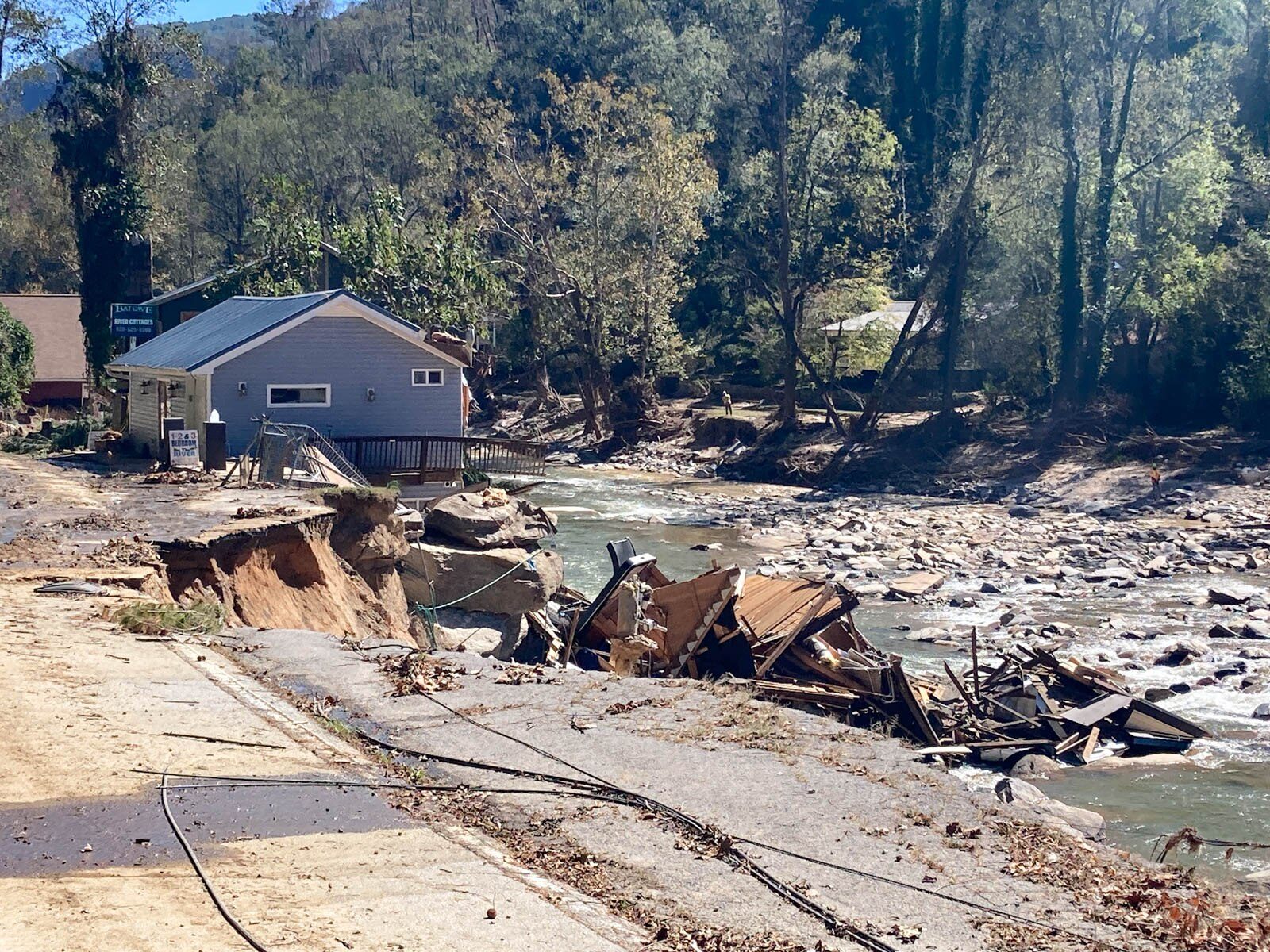
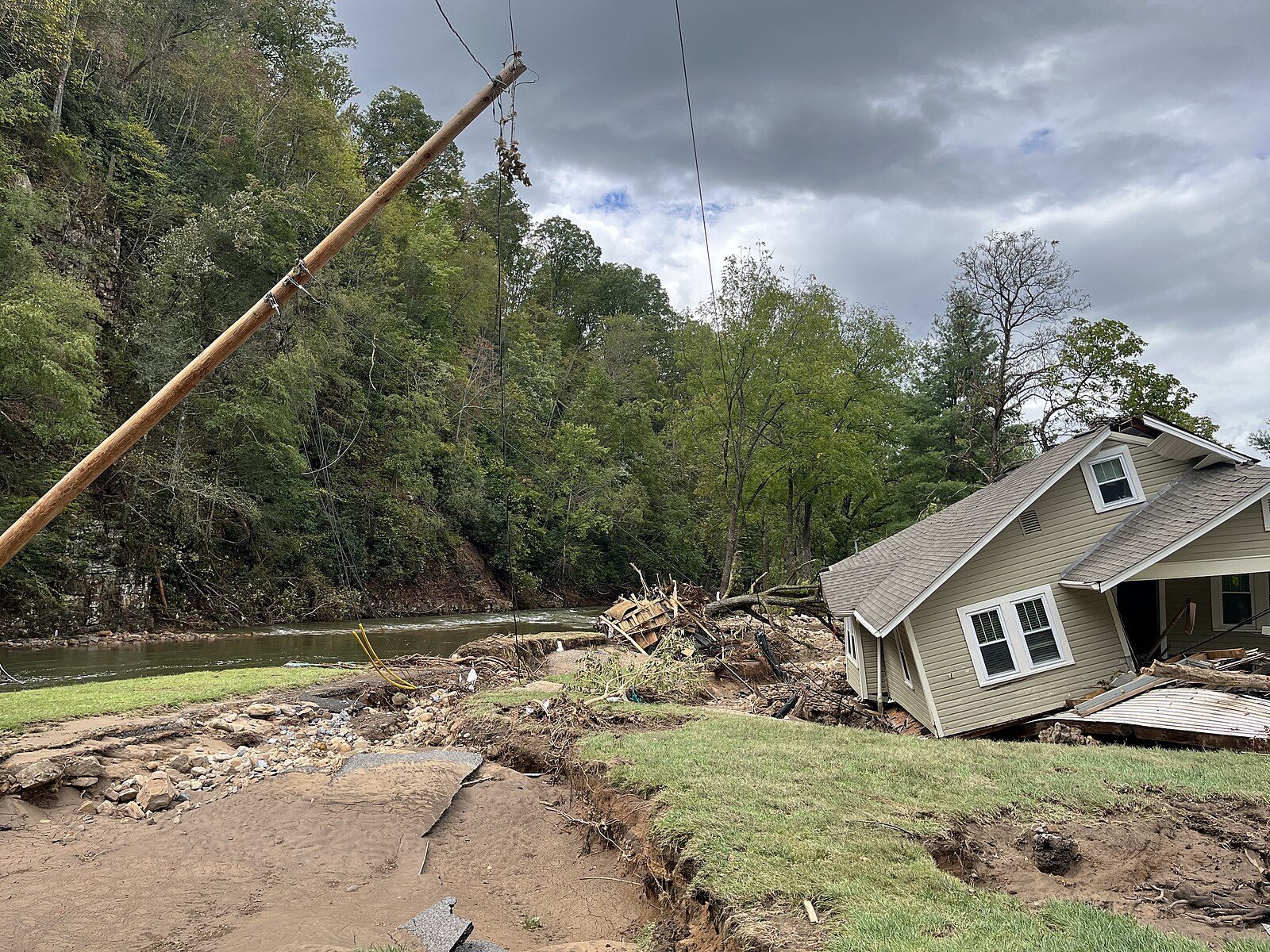
Hurricane Helene made landfall on Florida's Big Bend on September 26, 2024, then pushed inland across Georgia and into the southern Appalachians. The death toll passed 230 people. Western North Carolina was hit hardest — weeks of rain followed by a catastrophic storm surge of water down mountain valleys took out bridges, cell towers, power lines, fiber, and whole towns.
For days, in parts of the affected area, amateur radio was the only communications system that still worked. This page collects what that looked like — from the famous Mt. Mitchell repeater carrying welfare traffic for western NC, to the Georgia AuxComm deployment, to what DeKalb ARES did locally for DeKalb County.
Why radio mattered.
When you lose commercial power, cellular towers keep working on battery backup — for a while. When fiber is cut, voice-over-IP stops. When roads are impassable, utility crews can't reach the broken equipment to fix it. Within 48 hours, large parts of western North Carolina had no phones, no text messages, no internet, no 911.
What still worked: a volunteer with a battery-powered HT, a repeater with a generator, and a plan. Amateur radio operators passed welfare messages between separated families, relayed resource requests from isolated towns to state emergency management, and ran informal nets to match needs with the people arriving to help.
The Mt. Mitchell repeater.
The standout story was the W4MY repeater on Mt. Mitchell — the highest point east of the Mississippi, maintained by the Mt. Mitchell Amateur Radio Club on 145.190 MHz. Because of its location and resilient installation, it stayed on the air through Helene. Operators across western NC checked in from homes without power, from mountain ridges where they could get line-of-sight, from parking lots of shelters.
For several days, that single repeater was the primary means of long-distance voice communication for parts of the region. Welfare traffic for hundreds of families. Resource requests. Medical coordination. The audio from those days — linked below — is a record of volunteers doing exactly what ARES exists to do.
Video and audio from the response.
A curated set of reporting and primary-source recordings from Helene.
Local television reporting on what amateur radio meant to cut-off communities in the days after landfall.
Raw audio from the Mt. Mitchell repeater (W4MY), operated by the Mt. Mitchell Amateur Radio Club, which stayed on the air for days and passed hundreds of welfare messages when every other system in western NC was down.
How Georgia AuxComm deployed to support communications in east Georgia as the storm moved north.
Ham Radio Now episode covering the informal nets that self-organized across the affected region in the first 72 hours.
The initial call for operators as the scope of the communications outage became clear.
What DeKalb ARES did locally.
DeKalb County wasn't in the worst of it, but the storm still caused damage across metro Atlanta. DeKalb EMA activated DeKalb ARES on September 26–27. Members were activated to provide damage reports and situational awareness from the field to the DeKalb EOC — the same kind of ground-truth that matters most when commercial infrastructure is stressed.
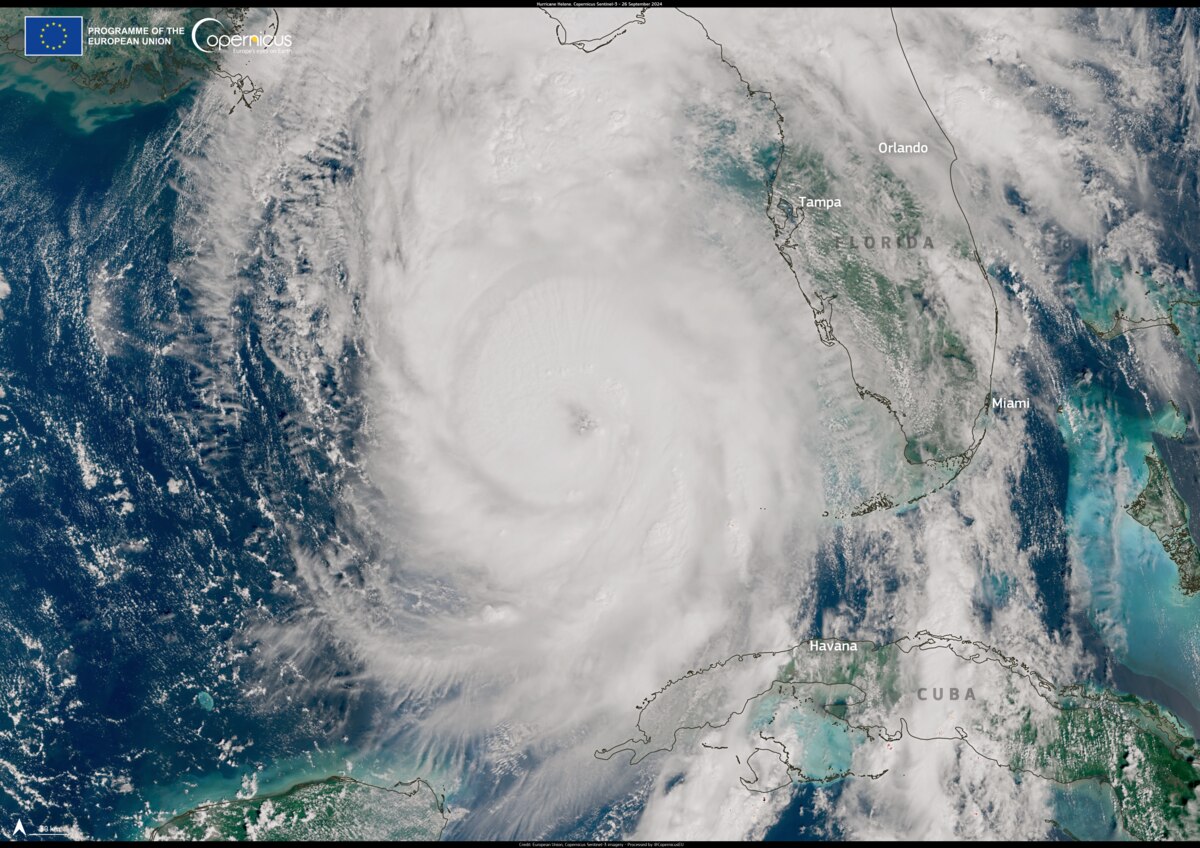
Contains modified Copernicus Sentinel data 2024
Hurricane Helene activation
DeKalb ARES was activated by DeKalb EMA to provide severe-weather and damage reports from the field to the DeKalb EOC during Hurricane Helene — the kind of situational awareness that amateur radio delivers when other infrastructure is stressed. The deployment was modest by Helene's broader standards, but it's the cleanest recent example of DKARES doing what it exists to do, on real EMA tasking.
What this tells the community.
ARES isn't a throwback to an earlier era of communications. It's the backstop — the layer that still works when newer, faster, internet-dependent systems go down. Helene made that plain. In DeKalb County, we train, drill, and maintain the infrastructure on the quiet days precisely so we're ready for the day it actually matters.
If you hold an FCC amateur radio license and want to be part of that readiness, please consider joining DeKalb ARES. If you're a local official, agency partner, or community organizer, reach out via the contact page.
Full DeKalb ARES activity, including the September 2024 Helene activation, is on the Activity Log.